
Lincoln Aviator 2020-2026 Owners Manual / Starting and Stopping the Engine
Lincoln Aviator: Starting and Stopping the Engine
- General Information
- Keyless Starting
- Starting a Gasoline Engine
- Fast Restart
- Vehicles using Phone as a Key
- Phone as a Key Backup Starting Passcode
- Automatic Engine Shutdown
- Stopping the Engine When Your Vehicle is Stationary
- Stopping the Engine When Your Vehicle is Moving
- Guarding Against Exhaust Fumes. Important Ventilating Information
- Starting a Hybrid Electric Vehicle System
- Fast Restart. Vehicles Using Phone as a Key
- Phone as a Key Backup Starting Passcode
- Automatic Engine Shutdown. Automatic Engine Shutdown Override
- Switching Off Your Vehicle When It Is Stationary
- Switching Off Your Vehicle When It Is Moving
- Guarding Against Exhaust Fumes. Important Ventilating Information
- Engine Block Heater

 General Information
WARNING: Extended idling at high
engine speeds can produce very high
temperatures in the engine and exhaust
system, creating the risk of fire or other
damage...
Other information:
Lincoln Aviator 2020-2026 Owners Manual: General Information
WARNING: Driving while distracted can result in loss of vehicle control, crash and injury. We strongly recommend that you use extreme caution when using any device that may take your focus off the road. Your primary responsibility is the safe operation of your vehicle...
Lincoln Aviator 2020-2026 Service Manual: Disassembly and Assembly - Shock Absorber and Spring Assembly - Vehicles With: Air Suspension
Special Tool(s) / General Equipment Flat Headed Screw Driver DISASSEMBLY WARNING: Vent all air pressure from the air suspension system prior to disconnecting or removing any air suspension components. It is dangerous to remove air suspension components while under pressure...
Categories
- Manuals Home
- Lincoln Aviator Owners Manual
- Lincoln Aviator Service Manual
- Child Safety Locks
- Locking and Unlocking
- Disabling Auto-Start-Stop
- New on site
- Most important about car
Child Seats
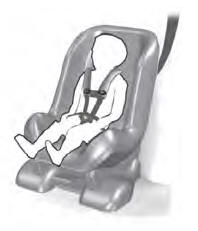
Use a child restraint (sometimes called an infant carrier, convertible seat, or toddler seat) for infants, toddlers and children weighing 40 lb (18 kg) or less (generally four-years-old or younger).
Using Lap and Shoulder Belts
WARNING: Do not place a rearward facing child restraint in front of an active airbag. Failure to follow this instruction could result in personal injury or death.

Copyright © 2026 www.liaviator2.com