
Lincoln Aviator 2020-2026 Service Manual / Powertrain / Engine / Evaporative Emissions - 3.0L EcoBoost
Lincoln Aviator: Engine / Evaporative Emissions - 3.0L EcoBoost
- Description and Operation - Evaporative Emissions - Overview
- Description and Operation - Evaporative Emissions - System Operation and Component Description
- Diagnosis and Testing - Evaporative Emissions
- General Procedures - Evaporative Emission System Leak Test
- Removal and Installation - Evaporative Emission Canister
- Removal and Installation - Evaporative Emission Canister Purge Valve
- Removal and Installation - Evaporative Emission Canister Ventilation Filter
- Removal and Installation - Evaporative Emission Canister Vent Solenoid
- Removal and Installation - Fuel Vapor Vent Valve
- Removal and Installation - Fuel Tank Pressure Sensor and Tube
 Removal and Installation - Charge Air Cooler (CAC) Outlet Pipe
Removal
NOTICE:
The turbocharger compressor vanes can be damaged by even the
smallest particles. When removing any turbocharger or engine air intake
system component, ensure that no debris enters the system...
 Description and Operation - Evaporative Emissions - Overview
Overview
The EVAP
system prevents hydrocarbon emissions from entering the atmosphere by
storing fuel vapors and routing the vapors to the engine to be consumed
during normal engine operation...
Other information:
Lincoln Aviator 2020-2026 Owners Manual: Reverse Braking Assist Precautions
WARNING: You are responsible for controlling your vehicle at all times. The system is designed to be an aid and does not relieve you of your responsibility to drive with due care and attention. Failure to follow this instruction could result in the loss of control of your vehicle, personal injury or death...
Lincoln Aviator 2020-2026 Service Manual: Description and Operation - Lane Keeping System - Component Location
C..
Categories
- Manuals Home
- Lincoln Aviator Owners Manual
- Lincoln Aviator Service Manual
- Tire Change Procedure
- Garage Door Opener
- Configuring The Head Up Display
- New on site
- Most important about car
Child Seats
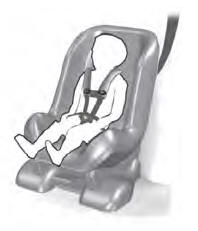
Use a child restraint (sometimes called an infant carrier, convertible seat, or toddler seat) for infants, toddlers and children weighing 40 lb (18 kg) or less (generally four-years-old or younger).
Using Lap and Shoulder Belts
WARNING: Do not place a rearward facing child restraint in front of an active airbag. Failure to follow this instruction could result in personal injury or death.

Copyright © 2026 www.liaviator2.com