
Lincoln Aviator 2020-2026 Owners Manual / All-Wheel Drive
Lincoln Aviator: All-Wheel Drive
- Using All-Wheel Drive
- Operating All-Wheel Drive (AWD) Vehicles With Spare Tires
- Operating ALL-Wheel drive (AWD) Vehicles with Mismatched Tires
- How Your Vehicle Differs from Other Vehicles
- Driving in Special Conditions With All-Wheel Drive (AWD)
- Driving on Snow and Ice
- Maintenance and Modifications
 If Your Vehicle Gets Stuck in Mud or Snow
Note: Do not rock the vehicle if the engine
is not at normal operating temperature or
damage to the transmission could occur.
Note: Do not rock the vehicle for more than
a minute or damage to the transmission and
tires could occur, or the engine could
overheat...
 Using All-Wheel Drive
WARNING: Vehicles with a higher
center of gravity (utility and four-wheel
drive vehicles) handle differently than
vehicles with a lower center of gravity
(passenger cars)...
Other information:
Lincoln Aviator 2020-2026 Owners Manual: Body Control Module
Argentina Brazil Ghana Jamaica Moldova Morocco Paraguay 2019-01-I-000076 Serbia Singapore South Africa Ukraine United Arab Emirates (U.A.E.) United States and Canada WARNING: Changes or modifications not expressively approved by the party responsible for compliance could void the user's authority to operate the equipment...
Lincoln Aviator 2020-2026 Owners Manual: Front Camera. Side Camera
Front Camera WARNING: The front camera system still requires the driver to use it in conjunction with looking out of your vehicle. Note: The system turns off the front video image when your vehicle is in motion at low speed, except when in reverse (R)...
Categories
- Manuals Home
- Lincoln Aviator Owners Manual
- Lincoln Aviator Service Manual
- Locking and Unlocking
- Resetting the System
- Changing the Front Wiper Blades - Vehicles With: Heated Wiper Blades
- New on site
- Most important about car
Child Seats
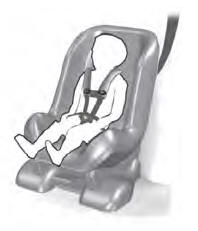
Use a child restraint (sometimes called an infant carrier, convertible seat, or toddler seat) for infants, toddlers and children weighing 40 lb (18 kg) or less (generally four-years-old or younger).
Using Lap and Shoulder Belts
WARNING: Do not place a rearward facing child restraint in front of an active airbag. Failure to follow this instruction could result in personal injury or death.

Copyright © 2026 www.liaviator2.com