
Lincoln Aviator 2020-2026 Service Manual / Chassis / Suspension / Suspension System - General Information
Lincoln Aviator: Suspension / Suspension System - General Information
- Specifications
- Diagnosis and Testing - Suspension System
- General Procedures - Front Camber Adjustment
- General Procedures - Front Toe Adjustment
- General Procedures - Front Toe Adjustment - Vehicles With: Adaptive Steering
- General Procedures - Rear Camber Adjustment
- General Procedures - Rear Toe Adjustment
- General Procedures - Ride Height Measurement
 Suspension
..
 Specifications
General Specifications
NOTE:
Measurements listed at curb load. Curb load is defined as
"full service fluids, full fuel tank(s), no passengers and no cargo"...
Other information:
Lincoln Aviator 2020-2026 Service Manual: Description and Operation - Impact of Insufficient Repair Quality
Body repairs usually require a significant level of intervention in the existing body shell structure. The corrosion protection, seals and NVH components are destroyed and must be replaced. To prevent the vehicle quality from being compromised due to a poor quality repair, all repairs must be inspected during and after the accident repair...
Lincoln Aviator 2020-2026 Owners Manual: Child Seats
Use a child restraint (sometimes called an infant carrier, convertible seat, or toddler seat) for infants, toddlers and children weighing 40 lb (18 kg) or less (generally four-years-old or younger). Using Lap and Shoulder Belts WARNING: Do not place a rearward facing child restraint in front of an active airbag...
Categories
- Manuals Home
- Lincoln Aviator Owners Manual
- Lincoln Aviator Service Manual
- Locking and Unlocking
- USB Port and Power Point Locations
- Description and Operation - Body and Frame
- New on site
- Most important about car
Child Seats
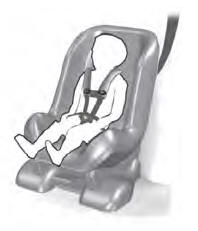
Use a child restraint (sometimes called an infant carrier, convertible seat, or toddler seat) for infants, toddlers and children weighing 40 lb (18 kg) or less (generally four-years-old or younger).
Using Lap and Shoulder Belts
WARNING: Do not place a rearward facing child restraint in front of an active airbag. Failure to follow this instruction could result in personal injury or death.

Copyright © 2026 www.liaviator2.com